
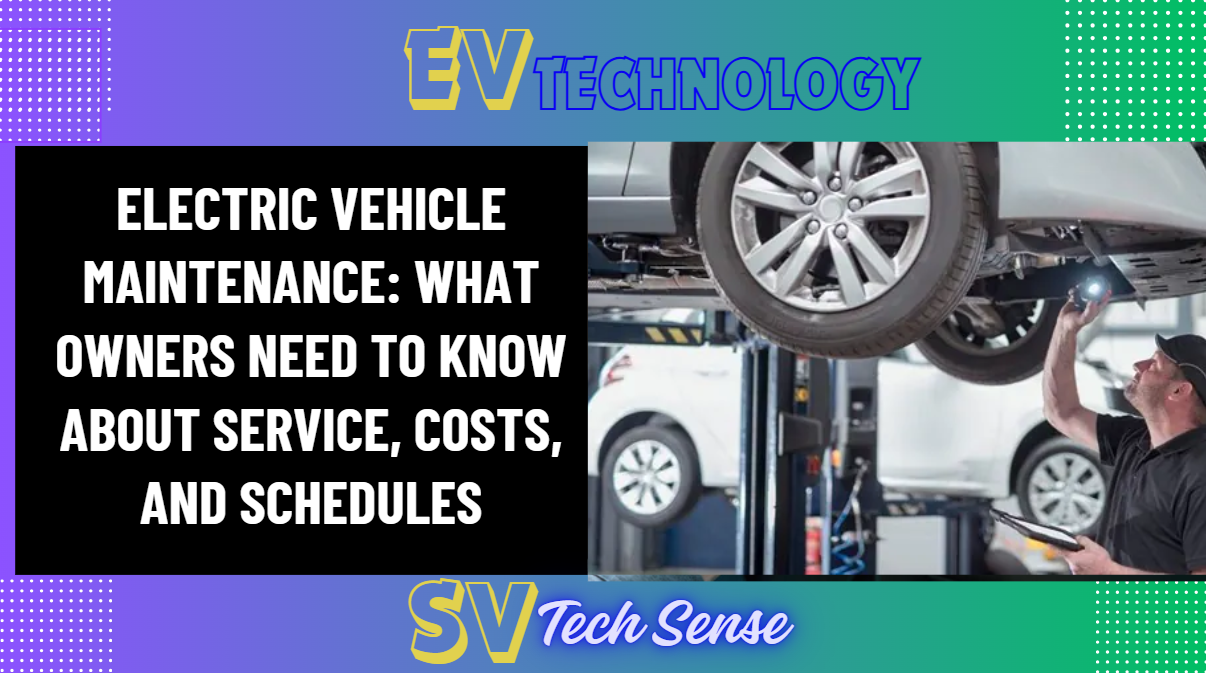
Electric vehicle maintenance represents a fundamental departure from traditional automotive service requirements, offering both simplified maintenance schedules and new technical considerations that owners must understand to ensure optimal vehicle performance and longevity. The transition from complex mechanical systems to electric propulsion creates opportunities for reduced maintenance costs while introducing new service requirements specific to electric vehicle technology.
Simplified Maintenance Requirements
Electric vehicles eliminate many of the maintenance requirements associated with internal combustion engines, including oil changes, spark plug replacements, timing belt services, and numerous other items that comprise traditional automotive maintenance schedules. Electric motors contain only one moving part compared to hundreds in conventional engines, dramatically reducing maintenance complexity and frequency.
Brake maintenance requirements are significantly reduced in electric vehicles due to regenerative braking systems that reduce wear on traditional friction brakes. Many electric vehicle owners report that brake pads and rotors last twice as long as those in conventional vehicles, though brake fluid changes and brake system inspections remain necessary at regular intervals.
Transmission maintenance is eliminated in most electric vehicles as they typically use single-speed transmissions without the complex mechanical systems requiring regular fluid changes and component replacements found in conventional automatic transmissions.
Battery System Maintenance and Monitoring
Battery system maintenance focuses primarily on monitoring and maintaining optimal operating conditions rather than replacing components or fluids. Battery management systems continuously monitor cell health, temperature, and performance, alerting owners to potential issues before they become serious problems.
Battery cooling system maintenance may include coolant changes and component inspections depending on the specific thermal management system design. Some electric vehicles use air cooling systems that require minimal maintenance, while others use liquid cooling systems that require periodic coolant replacement and system inspection.
Battery pack inspections should be performed by qualified technicians who can safely work with high-voltage systems while checking for signs of damage, corrosion, or other issues that could affect performance or safety. These inspections typically occur during regular service intervals or if warning indicators suggest potential problems.
Tire Maintenance and Considerations
Tire maintenance becomes particularly important in electric vehicles due to the instant torque delivery characteristics of electric motors and the potential for increased tire wear if not properly managed. Electric vehicles often use low-rolling-resistance tires designed to maximize range, but these tires may require more frequent monitoring and replacement.
Tire rotation schedules may need adjustment in electric vehicles as the different weight distribution and torque delivery characteristics can create different wear patterns compared to conventional vehicles. Some electric vehicles experience increased front tire wear due to regenerative braking, while others may show different patterns based on their specific design characteristics.
Tire pressure monitoring becomes more critical in electric vehicles as underinflated tires can significantly affect range while potentially creating safety hazards. Maintaining proper tire pressure helps optimize both range and safety while reducing tire wear and replacement costs.
Software Updates and Electronic System Maintenance
Over-the-air software updates have become a routine maintenance activity for many electric vehicles, with manufacturers regularly releasing updates that improve performance, add features, or address technical issues. These updates typically install automatically when vehicles are connected to WiFi networks, though some may require owner initiation.
Charging system maintenance includes periodic inspection of charging cables, connectors, and onboard charging equipment to ensure safe and reliable operation. Home charging equipment should also be inspected regularly to maintain optimal performance and safety, particularly for outdoor installations exposed to weather conditions.
High-voltage system inspections require specialized knowledge and equipment that may not be available at traditional automotive service centers. Owners should ensure that service providers have appropriate training and equipment to safely work on electric vehicle high-voltage systems.
Cooling System Maintenance
Electric vehicle cooling systems may serve multiple functions including battery thermal management, motor cooling, and cabin climate control. These integrated systems require periodic maintenance including coolant changes, component inspections, and system performance verification.
Air conditioning system maintenance in electric vehicles follows similar procedures to conventional vehicles, though the absence of engine-driven compressors means that electric A/C compressors may have different service requirements and failure modes.
Heat pump systems, where equipped, require maintenance similar to residential heat pump systems including refrigerant level checks, component inspections, and performance verification. However, automotive heat pump systems operate in more challenging environments and may require more frequent attention.
Service Infrastructure and Technician Training
The availability of qualified service technicians represents a significant consideration for electric vehicle owners, as traditional automotive technicians may not have the training or equipment necessary to service electric vehicle systems safely and effectively.
Manufacturer-authorized service centers typically provide the most comprehensive electric vehicle service capabilities, including access to specialized diagnostic equipment, genuine parts, and factory-trained technicians. However, these centers may not be conveniently located in all areas.
Independent service providers are increasingly offering electric vehicle maintenance services as the market grows and training programs become more widely available. However, owners should verify that service providers have appropriate qualifications and equipment before entrusting them with electric vehicle maintenance.
Cost Considerations and Budgeting
Electric vehicle maintenance costs are generally lower than conventional vehicle maintenance due to reduced frequency of service requirements and elimination of many expensive maintenance items. Studies suggest that electric vehicle maintenance costs average $400-$600 annually compared to $1,200-$1,500 for conventional vehicles.
However, when repairs are needed, electric vehicle service can be more expensive due to specialized parts, limited service provider availability, and the need for specialized diagnostic equipment. Battery system repairs, in particular, can be costly, though such repairs are relatively rare during warranty periods.
Extended warranty coverage for electric vehicle-specific components may provide valuable protection against unexpected repair costs, particularly for battery systems and other high-voltage components that can be expensive to replace or repair outside of warranty coverage.
Preventive Maintenance Best Practices
Regular vehicle inspections help identify potential issues before they become serious problems, including visual inspections of charging equipment, tire condition monitoring, and attention to warning lights or unusual vehicle behavior that might indicate developing problems.
Environmental considerations include protecting vehicles from extreme temperatures when possible, using appropriate charging practices that optimize battery health, and following manufacturer recommendations for storage and operation that help maintain optimal vehicle condition.
Record keeping helps track maintenance history and identify patterns that might indicate developing issues or help optimize maintenance schedules based on actual vehicle usage and operating conditions.
Warranty Coverage and Service Requirements
Electric vehicle warranties typically provide comprehensive coverage for electric drive systems, batteries, and related components, often extending longer than traditional automotive warranties. Understanding warranty terms and required maintenance helps owners maintain coverage while optimizing maintenance costs.
Warranty maintenance requirements may include specific service intervals, required service providers, or documentation requirements that owners must follow to maintain warranty coverage. Failure to comply with warranty requirements can void coverage and result in substantial out-of-pocket repair costs.
Some manufacturers offer prepaid maintenance packages that provide predictable maintenance costs while ensuring that required services are performed by qualified technicians using genuine parts and procedures.
Electric vehicle maintenance represents both an opportunity for reduced costs and complexity compared to conventional vehicles, and a need for owners to understand new service requirements and ensure access to qualified service providers for optimal vehicle performance and longevity.
dyuqtrgnpvfsmininjyflskuwwphgl
узаконить перепланировку нежилого помещения [url=http://pereplanirovka-nezhilogo-pomeshcheniya9.ru/]http://pereplanirovka-nezhilogo-pomeshcheniya9.ru/[/url] .
перепланировка офиса согласование [url=www.pereplanirovka-nezhilogo-pomeshcheniya10.ru]перепланировка офиса согласование[/url] .
перепланировка нежилых помещений [url=http://pereplanirovka-nezhilogo-pomeshcheniya11.ru]перепланировка нежилых помещений[/url] .
экскаватор в аренду цена [url=https://arenda-mini-ekskavatora-v-moskve-2.ru/]экскаватор в аренду цена[/url] .
карнизы для штор купить в москве [url=https://karniz-elektroprivodom.ru/]карнизы для штор купить в москве[/url] .
электропривод рулонных штор [url=http://rulonnaya-shtora-s-elektroprivodom.ru]http://rulonnaya-shtora-s-elektroprivodom.ru[/url] .
сайт натяжные потолки [url=stretch-ceilings-nizhniy-novgorod.ru]stretch-ceilings-nizhniy-novgorod.ru[/url] .
перепланировки квартир [url=http://proekt-pereplanirovki-kvartiry17.ru]http://proekt-pereplanirovki-kvartiry17.ru[/url] .
клиенты знают нас и нашу работу [url=https://www.soglasovanie-pereplanirovki-kvartiry3.ru]https://www.soglasovanie-pereplanirovki-kvartiry3.ru[/url] .
перепланировка квартиры в москве [url=www.proekt-pereplanirovki-kvartiry11.ru/]перепланировка квартиры в москве[/url] .
экспертиза перепланировки квартиры [url=www.soglasovanie-pereplanirovki-kvartiry4.ru/]экспертиза перепланировки квартиры[/url] .
seo продвижение рейтинг компаний [url=http://reiting-seo-agentstv.ru]http://reiting-seo-agentstv.ru[/url] .
seo продвижение сайта компании москва [url=https://www.seo-prodvizhenie-reiting-kompanij.ru]https://www.seo-prodvizhenie-reiting-kompanij.ru[/url] .
лучшие компании seo [url=https://top-10-seo-prodvizhenie.ru/]https://top-10-seo-prodvizhenie.ru/[/url] .
рейтинг digital seo агентств [url=https://www.reiting-seo-kompaniy.ru]рейтинг digital seo агентств[/url] .
1xbet yeni giri? [url=https://1xbet-giris-1.com/]https://1xbet-giris-1.com/[/url] .
1xbet g?ncel adres [url=https://1xbet-giris-7.com]1xbet g?ncel adres[/url] .
1 x bet giri? [url=http://1xbet-giris-10.com/]1 x bet giri?[/url] .
1xbet resmi giri? [url=https://www.1xbet-4.com]https://www.1xbet-4.com[/url] .
1xbet turkiye [url=http://www.1xbet-10.com]http://www.1xbet-10.com[/url] .
кухни на заказ в спб [url=kuhni-spb-2.ru]кухни на заказ в спб[/url] .
1xbet giri? linki [url=https://www.1xbet-14.com]1xbet giri? linki[/url] .
1xbet giri? [url=1xbet-17.com]1xbet giri?[/url] .
медицинская аппаратура [url=http://www.medicinskoe–oborudovanie.ru]медицинская аппаратура[/url] .
наркология лечение [url=www.narkologicheskaya-klinika-24.ru/]www.narkologicheskaya-klinika-24.ru/[/url] .
наркологичка [url=http://www.narkologicheskaya-klinika-25.ru]http://www.narkologicheskaya-klinika-25.ru[/url] .
букмекерская контора melbet [url=http://www.melbetofficialsite.ru]букмекерская контора melbet[/url] .
статьи про digital маркетинг [url=https://statyi-o-marketinge7.ru/]statyi-o-marketinge7.ru[/url] .
seo с нуля [url=www.kursy-seo-11.ru]www.kursy-seo-11.ru[/url] .
электрокарнизы [url=http://elektrokarniz797.ru]электрокарнизы[/url] .
организация онлайн трансляций цена [url=https://zakazat-onlayn-translyaciyu4.ru/]zakazat-onlayn-translyaciyu4.ru[/url] .
рейтинг агентств москвы [url=https://www.luchshie-digital-agencstva.ru]https://www.luchshie-digital-agencstva.ru[/url] .
1xbet guncel [url=http://www.1xbet-giris-6.com]1xbet guncel[/url] .
Hi there! This post couldn’t be written any better! Reading through this post reminds me of my previous room mate! He always kept talking about this. I will forward this article to him. Pretty sure he will have a good read. Thank you for sharing!
аренда экскаватора москва и область [url=https://arenda-ekskavatora-pogruzchika-2.ru/]аренда экскаватора москва и область[/url] .
видеостудия для подкастов [url=https://studiya-podkastov-spb4.ru]видеостудия для подкастов[/url] .
рейтинг сео [url=www.reiting-seo-kompanii.ru]рейтинг сео[/url] .
Greetings from Colorado! I’m bored at work so I decided to check out your website on my iphone during lunch break. I enjoy the knowledge you present here and can’t wait to take a look when I get home. I’m shocked at how quick your blog loaded on my mobile .. I’m not even using WIFI, just 3G .. Anyhow, good site!
Youre so cool! I dont suppose Ive learn something like this before. So nice to seek out any person with some authentic thoughts on this subject. realy thank you for beginning this up. this web site is one thing that’s wanted on the web, somebody with a little originality. helpful job for bringing something new to the internet!
Excellent read, I just passed this onto a colleague who was doing a little research on that. And he just bought me lunch because I found it for him smile Therefore let me rephrase that: Thank you for lunch! “High living and high thinking are poles apart.” by B. J. Gupta.
Wow! Thank you! I always needed to write on my website something like that. Can I take a part of your post to my website?
Of course, what a magnificent site and revealing posts, I will bookmark your website.Best Regards!
I dugg some of you post as I cerebrated they were invaluable very helpful
you have a great blog here! would you like to make some invite posts on my blog?
After examine just a few of the weblog posts in your web site now, and I actually like your approach of blogging. I bookmarked it to my bookmark website list and will be checking back soon. Pls try my web site as effectively and let me know what you think.
Nice post. I learn something more challenging on different blogs everyday. It will always be stimulating to read content from other writers and practice a little something from their store. I’d prefer to use some with the content on my blog whether you don’t mind. Natually I’ll give you a link on your web blog. Thanks for sharing.
My programmer is trying to convince me to move to .net from PHP. I have always disliked the idea because of the costs. But he’s tryiong none the less. I’ve been using Movable-type on several websites for about a year and am anxious about switching to another platform. I have heard good things about blogengine.net. Is there a way I can transfer all my wordpress posts into it? Any help would be greatly appreciated!
I think that is one of the most significant info for me. And i’m happy studying your article. However wanna remark on few normal things, The website taste is ideal, the articles is really nice : D. Just right activity, cheers
Can you be more specific about the content of your article? After reading it, I still have some doubts. Hope you can help me. https://www.binance.info/zh-CN/register?ref=WFZUU6SI
Keep up the superb piece of work, I read few content on this web site and I conceive that your web site is real interesting and contains circles of superb information.
Excellent blog here! Also your website loads up very fast! What web host are you using? Can I get your affiliate link to your host? I wish my site loaded up as quickly as yours lol
Thanks for sharing. I read many of your blog posts, cool, your blog is very good. https://www.binance.com/register?ref=IXBIAFVY
Your point of view caught my eye and was very interesting. Thanks. I have a question for you.
Your article helped me a lot, is there any more related content? Thanks! https://www.binance.info/es-AR/register?ref=UT2YTZSU
I don’t think the title of your enticle matches the content lol. Just kidding, mainly because I had some doubts after reading the enticle.
My developer is trying to convince me to move to .net from PHP. I have always disliked the idea because of the costs. But he’s tryiong none the less. I’ve been using WordPress on several websites for about a year and am nervous about switching to another platform. I have heard excellent things about blogengine.net. Is there a way I can import all my wordpress content into it? Any help would be greatly appreciated!
Does your blog have a contact page? I’m having problems locating it but, I’d like to send you an e-mail. I’ve got some recommendations for your blog you might be interested in hearing. Either way, great site and I look forward to seeing it improve over time.
Your point of view caught my eye and was very interesting. Thanks. I have a question for you.
Excellent post. I was checking constantly this blog and I am impressed! Extremely helpful information specifically the closing phase 🙂 I care for such info much. I was seeking this particular info for a long time. Thank you and best of luck.
This is the right blog for anyone who wants to find out about this topic. You realize so much its almost hard to argue with you (not that I actually would want…HaHa). You definitely put a new spin on a topic thats been written about for years. Great stuff, just great!
Your article helped me a lot, is there any more related content? Thanks! https://accounts.binance.com/pt-PT/register-person?ref=KDN7HDOR
Thanks for sharing. I read many of your blog posts, cool, your blog is very good. https://www.binance.info/lv/register?ref=SMUBFN5I
Can you be more specific about the content of your article? After reading it, I still have some doubts. Hope you can help me.
Wow! This could be one particular of the most beneficial blogs We have ever arrive across on this subject. Actually Great. I am also an expert in this topic so I can understand your effort.
Thank you for your sharing. I am worried that I lack creative ideas. It is your article that makes me full of hope. Thank you. But, I have a question, can you help me? https://www.binance.com/register?ref=IXBIAFVY
Can you be more specific about the content of your article? After reading it, I still have some doubts. Hope you can help me.
Thanks for sharing. I read many of your blog posts, cool, your blog is very good.
**neuro sharp**
Neuro Sharp is an advanced cognitive support formula designed to help you stay mentally sharp, focused, and confident throughout your day.
I don’t think the title of your article matches the content lol. Just kidding, mainly because I had some doubts after reading the article.
Thanks for sharing. I read many of your blog posts, cool, your blog is very good. https://www.binance.info/pt-PT/register?ref=KDN7HDOR
Thank you for your sharing. I am worried that I lack creative ideas. It is your article that makes me full of hope. Thank you. But, I have a question, can you help me? https://accounts.binance.info/register-person?ref=IXBIAFVY
Your point of view caught my eye and was very interesting. Thanks. I have a question for you. https://accounts.binance.com/ro/register-person?ref=HX1JLA6Z
Your point of view caught my eye and was very interesting. Thanks. I have a question for you. https://www.binance.info/register?ref=IXBIAFVY
Can you be more specific about the content of your article? After reading it, I still have some doubts. Hope you can help me. https://www.binance.com/register?ref=IXBIAFVY
Thanks for sharing. I read many of your blog posts, cool, your blog is very good. https://www.binance.com/register?ref=IXBIAFVY
Your article helped me a lot, is there any more related content? Thanks! https://accounts.binance.info/register-person?ref=IHJUI7TF
Can you be more specific about the content of your article? After reading it, I still have some doubts. Hope you can help me.
Can you be more specific about the content of your article? After reading it, I still have some doubts. Hope you can help me. https://www.binance.com/vi/register?ref=MFN0EVO1
Your article helped me a lot, is there any more related content? Thanks!
I don’t think the title of your article matches the content lol. Just kidding, mainly because I had some doubts after reading the article.